Forget the boardrooms. Forget the suits. And definitely forget the 9-to-5. In the Web3 world, the most talked-about workplace revolution doesn’t involve ping pong tables or remote-first perks. It’s called a DAO—a Decentralized Autonomous Organization. And if you ask some folks, it’s the future of how we’ll all work, build, and earn.
But here’s the million-token question: Are DAOs really working? Or are they just idealistic chaos disguised as innovation?
First—What Is a DAO?
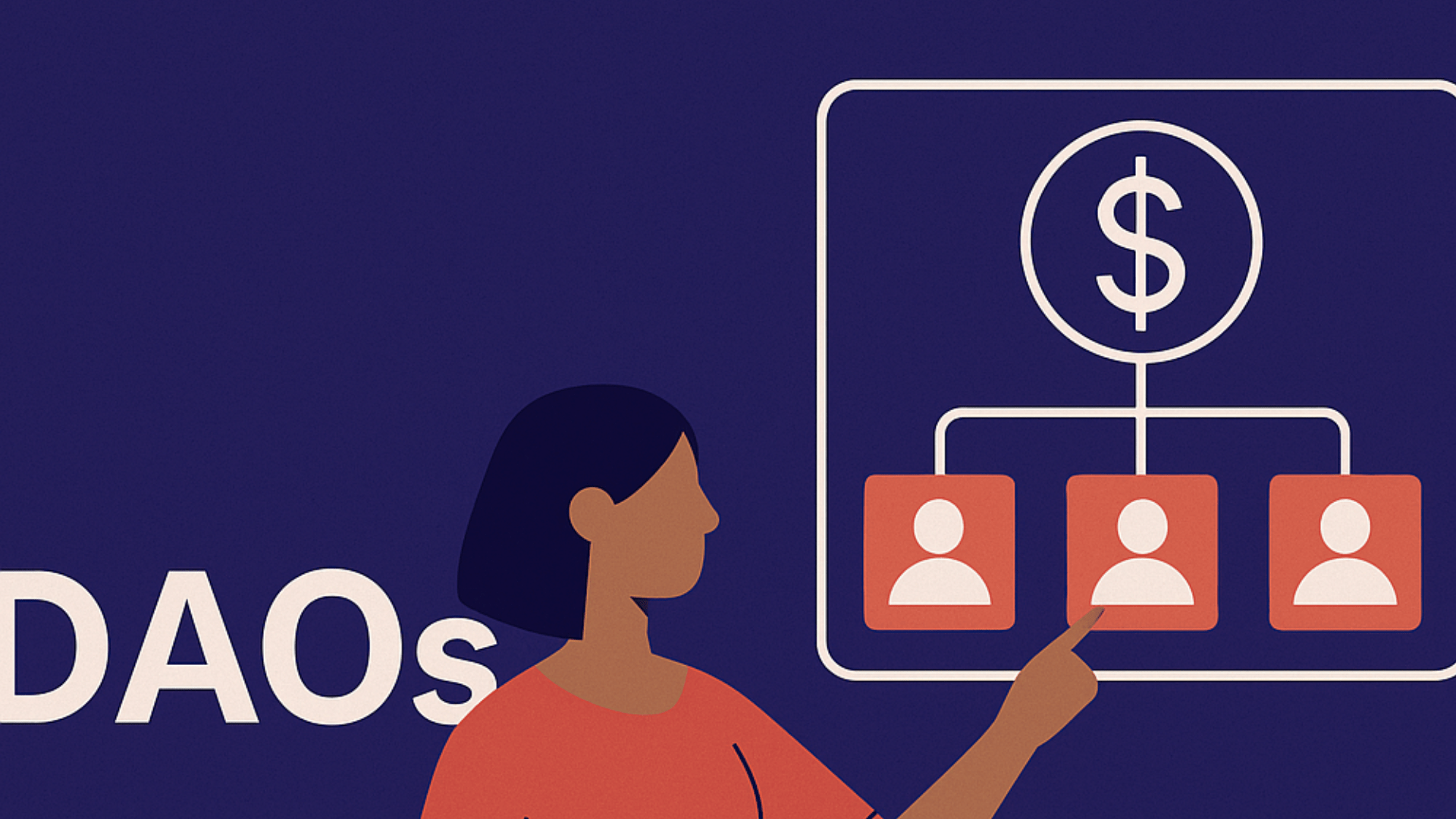
A DAO is a group of people on the internet collaborating around a shared goal, but instead of using a CEO or manager to call the shots, everything is governed by smart contracts and community votes. It’s like running a company without bosses.
- No HR department
- No corporate HQ
- Just a bunch of wallets, Discord usernames, and on-chain votes
You join a DAO by holding its token. That token gives you voting power, a say in decisions, and sometimes—if things go well—a share of the value the group creates.
What DAOs Are Doing Right
Despite their weirdness to outsiders, some DAOs are building real value:
- Uniswap DAO governs one of the largest decentralized exchanges in crypto. Billions in liquidity, managed by token holders.
- Gitcoin DAO funds open-source projects and public goods—think community-run venture capital.
- PleasrDAO owns digital art, including the Wu-Tang Clan’s legendary album, using collective treasury funds.
- Bankless DAO is pushing crypto education globally—without any central boss.
DAOs are inclusive, borderless, and fast-moving. For many contributors, they offer something more important than just income: ownership and purpose.
Now, the Messy Reality
For all the hype, working in a DAO isn’t always sunshine and token rain.
- Coordination is hard: Without a clear leader, things can spiral into endless voting and no action.
- Compensation chaos: Some people get overpaid, others unpaid. Contributor rewards are often unclear or inconsistent.
- Low voter turnout: Most token holders don’t vote. In fact, whales (large holders) often dominate proposals.
- Legal grey zones: DAOs exist everywhere and nowhere. Try getting a tax return or contract from a DAO. Good luck.
Many DAO contributors report burnout, lack of structure, and unclear paths for growth.
So… Are They the Future of Work?
Yes—but not for everyone.
DAOs are showing us what work could look like:
- Work based on contribution, not credentials
- Global teams paid instantly, in tokens, without paperwork
- Transparent budgets and decisions
- Ownership distributed among those who show up
But the tooling, governance, and human side still need massive improvement. Right now, DAOs feel more like co-ops with code than corporations with stability.
The future of work may not be fully decentralized—but it will likely be more decentralized than anything we’ve seen before.
DAOs are messy. But then again, so was the early internet.
They’re not perfect. But they are powerful.
And as traditional institutions lose trust and relevance, DAOs are offering people something they’ve been missing for a long time in the workplace—agency, ownership, and a voice.
So no, DAOs aren’t working perfectly yet.
But maybe they’re not supposed to. Maybe they’re supposed to evolve—just like the people building them.
Next on Crypto Thursdays: Is Crypto in a Bubble or Just Getting Started?