Okay, real talk: most “how blockchain works” explanations make your eyes glaze over by paragraph two. They’re full of tech jargon, confusing diagrams, and phrases like immutable decentralized ledger — which sound cool until you realise you don’t actually know what they mean.
So let’s try something different. No fluff, no hype. Just a down-to-earth explanation of what blockchain really is, how it works, and why it matters — even if you’re not a developer, trader, or wearing a hoodie in a tech startup.
Imagine a Notebook Everyone Can See
Think of blockchain as a public notebook on the internet. Except you can’t erase anything from it, and everyone gets the same copy.
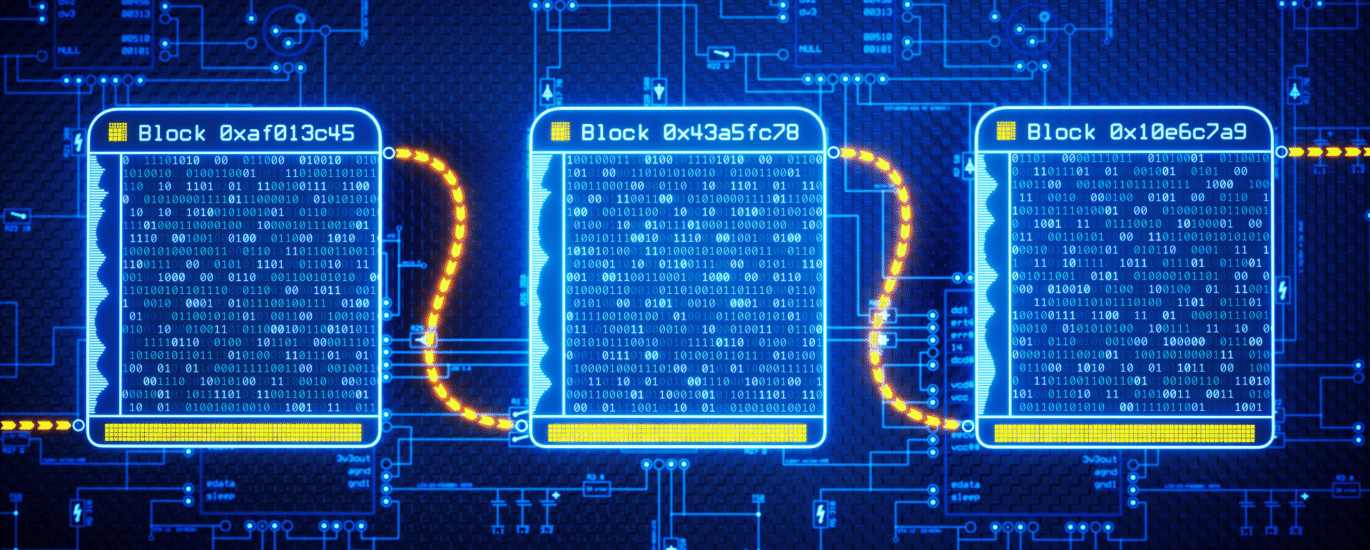
Every time something happens — say, someone sends Bitcoin to someone else a new line gets added to that notebook. Once the page is full, it gets “sealed” and linked to the previous page. Over time, this creates a long, connected history of every transaction. That’s your blockchain: a chain of blocks, or pages, filled with data.
Now here’s the twist: no single person owns this notebook. Everyone who’s part of the network has a copy. It’s shared, synced, and constantly updated. No editing past entries. No sketchy backroom changes.
Why Is That Actually Cool?
Because in the digital world, trust is hard. We rely on middlemen. Banks, lawyers, companies to confirm stuff. Did the money really get sent? Did the contract actually get signed?
Blockchain replaces that trust with proof. It’s all there, visible, and locked in. If it’s on the chain, it happened.
No one can go back and delete history. That’s not just smart, it’s kind of revolutionary.
But How Does It Actually Work?
Here’s the simple version:
- You make a transaction.
- The network checks: “Is this legit?” (No double-spending. No fake coins.)
- If it’s valid, the transaction gets added to a block with others.
- That block gets sealed and linked to the last one.
- Every computer in the network updates their copy of the blockchain.
That’s it. And once it’s on there? Good luck changing it. That’s by design.
Who Makes Sure No One Cheats?
Thousands of computers, called nodes, are constantly watching and checking. They don’t just accept anything — they verify every detail using math, logic, and a shared rulebook.
If one computer tries to cheat, it gets ignored. It’s like trying to sneak fake homework into a class where everyone else already has the right answers.
This system keeps everything fair, even without a “boss” in charge.
What Gets Stored on a Blockchain?
You might know blockchain from crypto, but it can store way more than just transactions:
- Ownership of NFTs
- Smart contracts (yes, actual digital agreements)
- Supply chain tracking
- Votes (in theory)
- Credentials and records
Basically, anything you want to prove happened — and want that proof to stick around.
Bitcoin, Ethereum & the Rest: What’s the Difference?
- Bitcoin is a blockchain built to move money without banks.
- Ethereum added smart contracts — programmable agreements.
- Others like Solana, Cardano, and XRP all have different flavours, speeds, and goals.
Some use energy-intensive mining (Proof of Work), others use staking (Proof of Stake), but the core idea is the same: shared, unchangeable records.
What Blockchain Isn’t
It’s not a magic fix for everything. It doesn’t make scams disappear. It doesn’t mean everything should be decentralized. And yes, some projects are overhyped or just useless.
But when used well? Blockchain makes the internet more transparent, more secure, and a little less dependent on middlemen.
Blockchain is like a digital notebook everyone can see but no one can erase.
It records transactions in “blocks,” and links them forever.
It removes the need for banks or companies to “approve” things.
It’s the backbone of crypto — but can be used for much more.
Next week on Crypto Thursdays:
Public vs Private Keys – What You Must Know