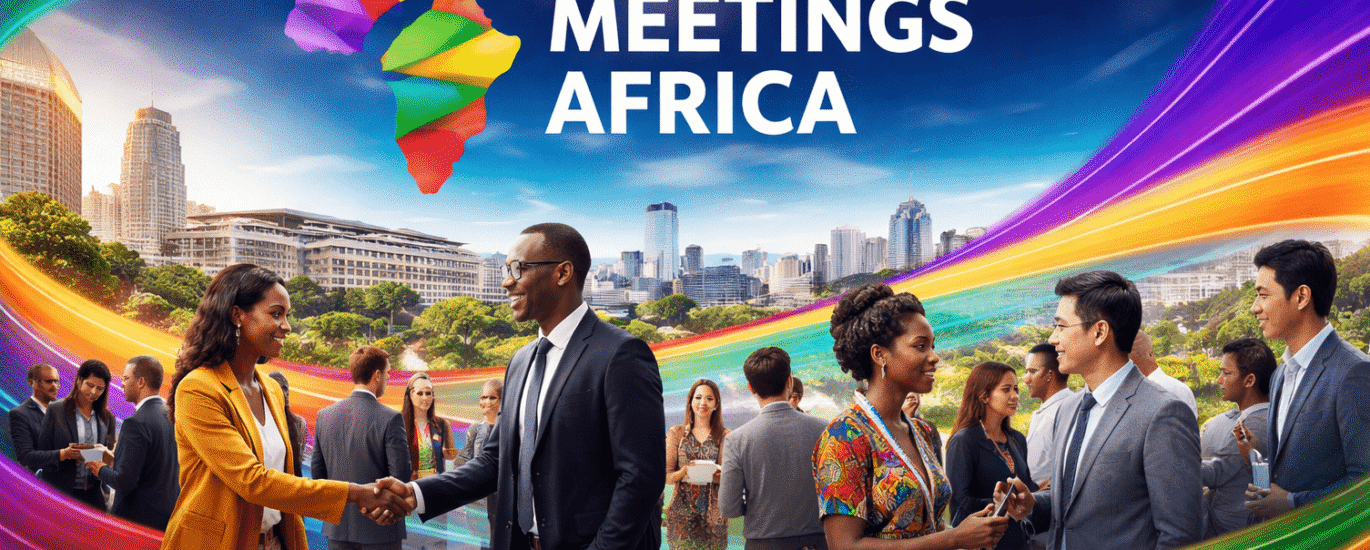
Johannesburg, South Africa – The continent’s business events industry is once again under the spotlight as Meetings Africa returns, transforming Johannesburg into a high-stakes marketplace where deals are negotiated, destinations are repositioned, and Africa’s economic narrative is actively reshaped.
Hosted at the Sandton Convention Centre, this year’s edition is drawing influential buyers, tourism authorities, and corporate decision-makers from across the globe. But beyond the exhibition stands and polished presentations lies a deeper story: Africa is no longer simply participating in the global meetings economy, it is asserting its leadership within it.
A Strategic Economic Engine
Meetings Africa, owned by South African Tourism, has evolved into a strategic platform that directly contributes to economic growth. Business events, including conferences, exhibitions, and summits are known to generate higher-value tourism. Delegates stay longer, spend more, and often return as leisure visitors or investors.
For South Africa, the implications are significant. Each successful bid secured at Meetings Africa can translate into thousands of future visitors, millions in revenue, and long-term job creation across hospitality, transport, creative services, and local enterprises.
Industry insiders note that the event is not just about showcasing venues, but about reshaping perceptions. Africa is positioning itself as capable, competitive, and ready to host global conversations from technology and finance to sustainability and innovation.
Africa’s Unified Pitch to the World
Walking through the exhibition floor reveals a continent presenting itself with confidence and clarity. From Rwanda’s ambitious convention infrastructure to Kenya’s growing reputation as a technology hub, and Ghana’s expanding cultural tourism appeal, African destinations are competing but also collaborating.
This year’s tone reflects a shift. Instead of focusing solely on attracting international events, many African countries are strengthening intra-African partnerships. The African Continental Free Trade Area (AfCFTA) has amplified the need for regional meetings, accelerating demand for conferences that bring African leaders and industries together.
Meetings Africa is becoming the physical intersection where those ambitions take form.
Johannesburg’s Role as Africa’s Gateway
For Johannesburg, hosting Meetings Africa reinforces its position as a business gateway to the continent. Sandton, often called “Africa’s richest square mile,” becomes a hub of global attention during the event. Hotels operate at near capacity, restaurants fill with international delegates, and local service providers from branding agencies to production teams — find new opportunities.
The ripple effect extends beyond the event itself. Relationships built during Meetings Africa often lead to future collaborations, investments, and long-term economic partnerships.
The Bigger Picture: Owning Africa’s Narrative
Perhaps the most important impact of Meetings Africa is symbolic. For decades, Africa has been underrepresented in the global meetings industry. Today, it is reclaiming its narrative not as a passive destination, but as an active convener of global dialogue.
Meetings Africa demonstrates that the continent is not waiting to be invited to the table. It is building its own table and inviting the world to join.
As the exhibition continues this week, one message is clear: Africa is not just open for tourism. It is open for business, collaboration, and leadership on the global stage.