The world is entering a transformative era — one not defined by industrial revolutions or digital awakenings, but by intelligence itself. Artificial Intelligence (AI), once a concept reserved for science fiction, now powers some of the most integral systems in our daily lives. From autonomous vehicles and personalized healthcare to creative content and real-time language translation, AI is not just changing the way we live — it’s redefining what’s possible.
A New Ecosystem of Intelligence
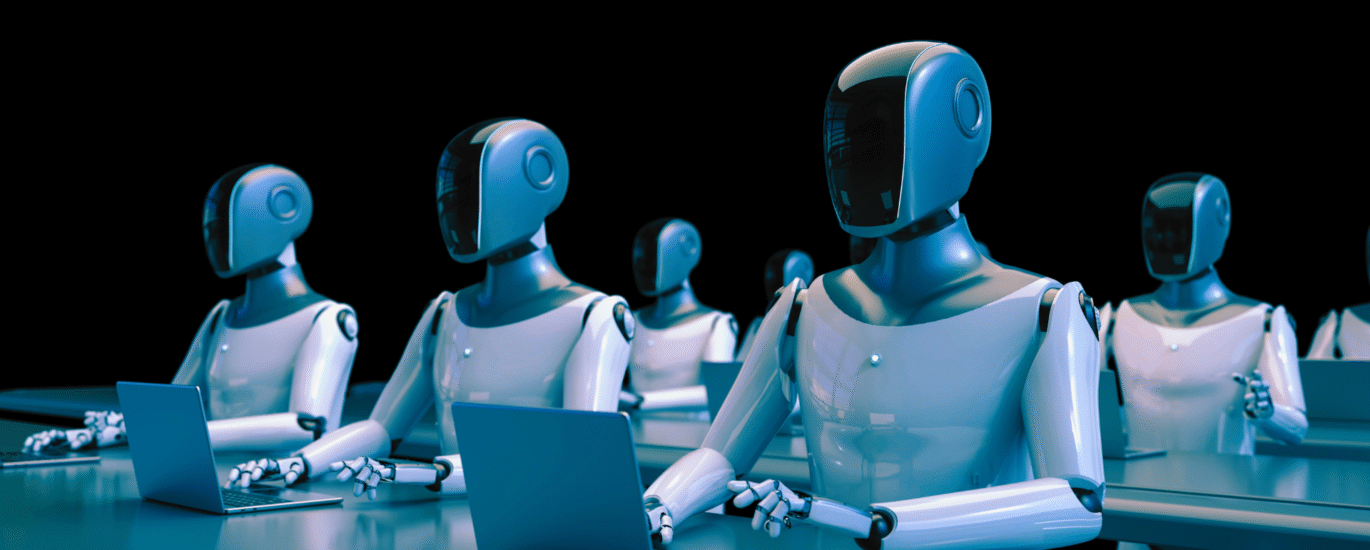
We are witnessing the rise of a new ecosystem where machines are no longer just tools but intelligent collaborators. AI is learning to see, hear, speak, write, design, and even reason. With generative AI models capable of producing human-like text, art, music, and code, the boundary between artificial and human creativity is becoming increasingly blurred.
What once took teams of engineers weeks to accomplish can now be done in hours with the help of AI. This acceleration is giving birth to new industries and transforming old ones. Startups are building entire businesses around AI-generated content, while global corporations are re-engineering workflows to integrate intelligent systems at scale.
The Economic and Social Shift
The Age of Intelligence brings not just technological disruption but also an economic realignment. Jobs will evolve. Some will vanish. New ones will emerge — data ethicists, prompt engineers, AI auditors, and more. The value of human work will shift toward what machines cannot easily replicate: empathy, ethics, vision, and nuanced decision-making.
For individuals and nations alike, the ability to adapt to this shift will determine future prosperity. Education systems are under pressure to evolve quickly. It’s no longer enough to teach digital literacy — students must now understand algorithmic thinking, data science, and responsible AI usage from an early age.
Power, Policy, and Responsibility
With great intelligence comes great responsibility. As AI systems become more capable, questions of privacy, bias, surveillance, and ethical use grow louder. Who controls these systems? Who is accountable when things go wrong? Will AI deepen existing inequalities, or can it be a tool for more equitable futures?
Governments and institutions must act fast to shape policy frameworks that ensure AI is developed and used for the benefit of all. Regulation should strike a balance: firm enough to guard against misuse, flexible enough to allow innovation.
Human + Machine: A Powerful Collaboration
Rather than fearing replacement, the future is about augmentation. AI has the power to elevate human potential — to become a creative partner, an analytical co-pilot, a tireless assistant. In fields like medicine, it can spot patterns in data that doctors might miss. In design, it can offer infinite variations and accelerate iteration.
The most successful individuals and organizations in the coming decade will be those who learn how to work with AI, not against it. Emotional intelligence, ethical clarity, and creative vision will be just as critical as technical skills.
The Road Ahead
The Age of Intelligence is not coming — it’s already here. What lies ahead is not a single destination but a journey of continuous evolution. Breakthroughs in quantum computing, brain-machine interfaces, and general AI may further redefine our understanding of intelligence itself.
To thrive in this age, society must embrace change while remaining grounded in human values. The tools are powerful, but the direction we choose is still ours to decide.
This is not just the next chapter of technology. It’s a new era for humanity.
Welcome to the Age of Intelligence.